



Investing in retirement: how much can you spend?

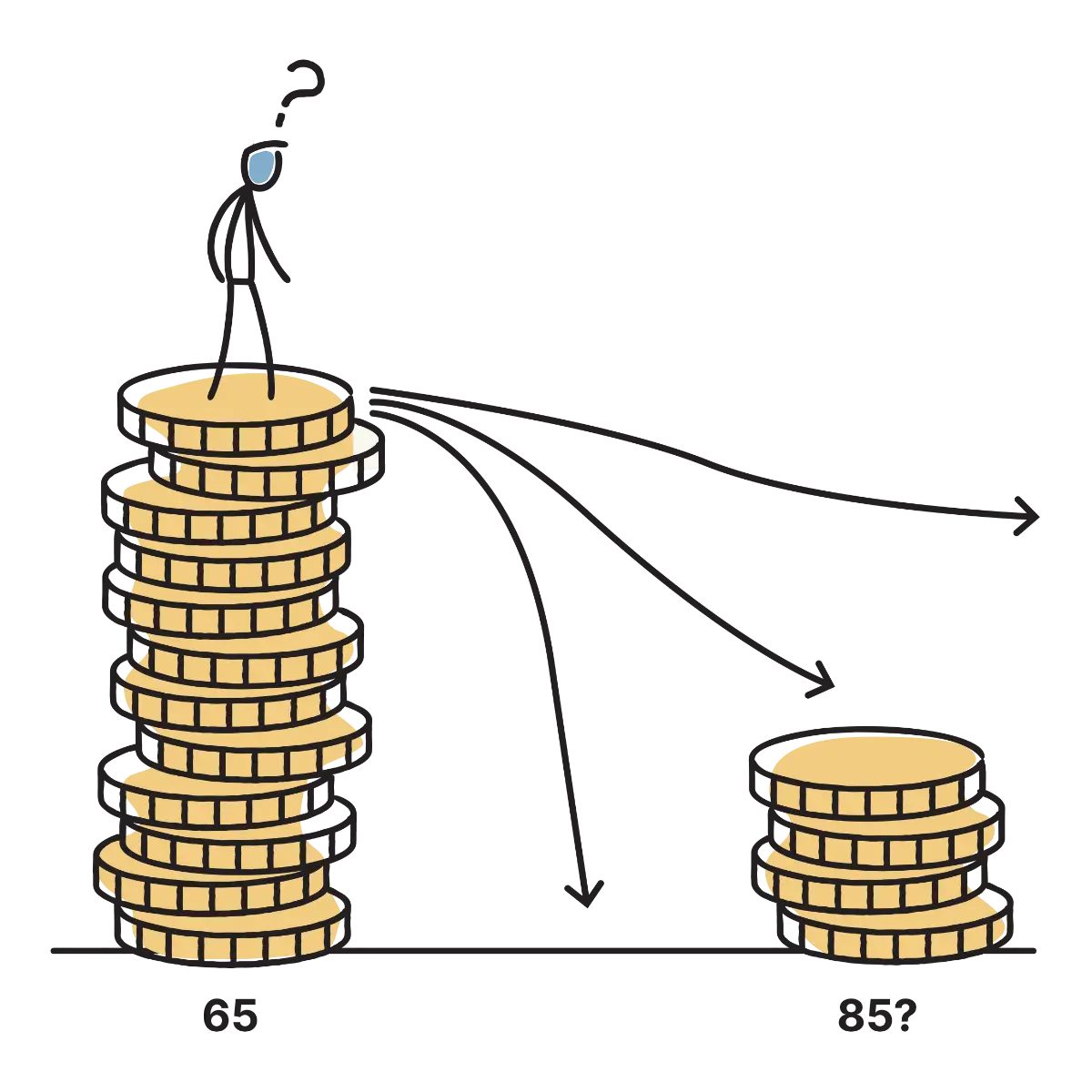
How much you can spend in retirement depends on what you have, how you want to live, and how long your money needs to last.


Questions clients often ask us:

"How much can we afford to spend?"

"Can we give some money to the kids now?"

"I’m sure we have enough to travel more, but I can’t convince her (or him)!"
Chat to us about how we can help you

Your plan can help you make decisions such as:

We help you gain freedom to spend without fear of running out during retirement. A plan that balances spending and investment makes spending decisions easier, because it shows how different choices could affect your finances now and in the years ahead.
Thinking about investing or mortgage on a property investment

Sell or live on capital

Whether to keep an investment property or sell and live on the capital.
Savings Piggy Bank

Term deposit

Whether a term deposit is still the right place for your savings.
Illustration of a traveller with a suitcase taking a photo of the Eiffel Tower

Travel

How much you can spend on travel while you’re still young enough and fit enough to enjoy it.
Helping kids

Early inheritance

Helping the kids financially with an ‘early inheritance’.
Gifting with a warm hand

Gifting 

Gifting with a warm hand while you're able to see the impact of it.
Illustration of two people in front of house with a mortgage

Rest home

How much you might want to keep aside in case you need to move into a rest home in future.

Planning for an uncertain future

No retirement plan can predict exactly what will happen. We use modelling software to look at your expected spending against your retirement capital, life expectancy, inflation and investment returns. This lets us test different scenarios, build in safety margins and adjust your plan as circumstances change. Our Three Meeting Process is where this work happens.

Icon showing insurance advice for an insurance broker

How will I manage my money?

Once your plan is in place, we set up fortnightly withdrawals from your investments to help fund your spending. Extra withdrawals can be made when you need them, such as for a holiday or an unexpected bill. You’ll be able to view your investments online and you’ll receive regular reports.
Person juggling money, gold, investments
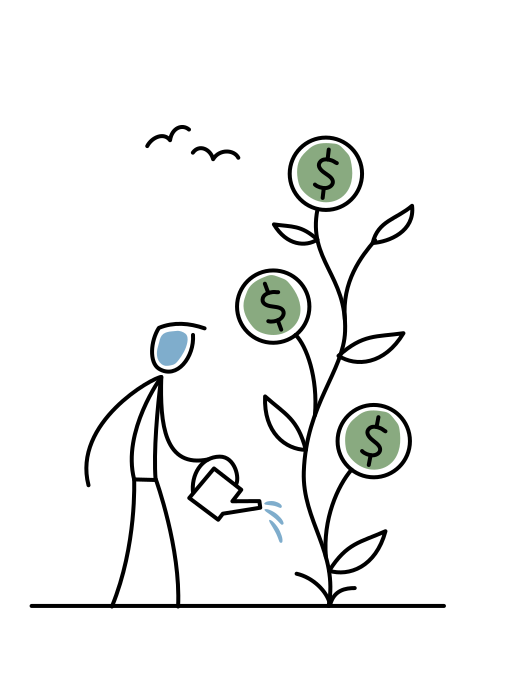
Illustration of person watering a money tree showing investment growth

Investing your money for the years ahead

Retiring doesn’t necessarily mean you stop investing.

Some of your money may be needed relatively soon, while other money may not be needed for many years.

 We put together an investment strategy so your money is spread across different investments until you’re ready to spend it. 

How to invest for spending in retirement

Meet our investment experts

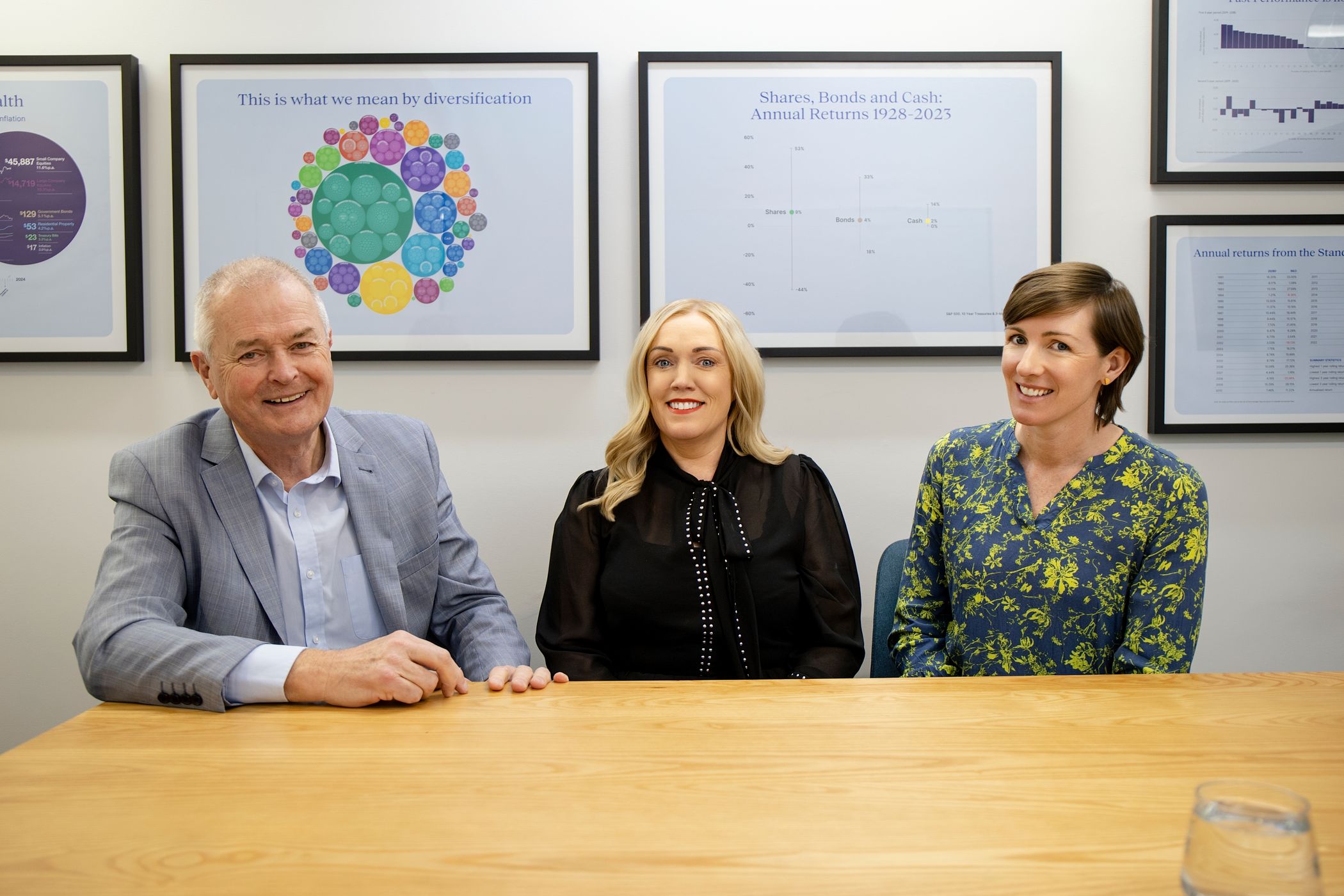
Our team of Glyn, Anna-May and Kathryn have over 70 years of experience in helping clients understand their investments. In target setting, choice of investments and deciding appropriate levels of investment risk.
Book your free initial consultation now

"From the great job that Glyn and his team are doing at educating us we are confident that our money is achieving a good balance between risk and return. We don’t feel the need to micromanage our money."

FW & KG, retired, Golden Bay

Frequently asked questions

A withdrawal rate is how much of your investments you take out each year to live on. There’s no rate that’s safe for everyone - it depends on your capital, your other income such as NZ Super, how your money is invested, and how long it needs to last. That’s why we build in safety margins and review your plan every year.


No. Your investments aren’t locked in, and you can access them whenever you need. As well as your regular fortnightly payments, you can make extra withdrawals.  A withdrawal usually reaches your bank account within 10 working days.


There’s no one answer. Most people have a timeframe of decades, so some of your money may still need to grow, while money you’ll spend in the next few years needs to be steadier. Rather than picking one fund type, we look at when you’ll need each part of your money and build a portfolio to match.

Over the last 100 years the average fall in share prices only lasts about two years so, unless you were expecting to access your capital within two years, it’s just like a fall in house prices – it doesn’t matter unless you’re about to sell. And ‘two-year spending money’ shouldn’t be in growth investments anyway. It should be in cash or defensive investments.
Because KiwiSaver is set up under its own rules, it’s kept separate from your other retirement savings. It’s often spread across fewer investments, and it’s easy to forget about when you’re working out the balance between growth and steadier investments across the rest of your savings.
 
Your other savings should be invested widely, across a number of different fund managers. Withdrawing your KiwiSaver and adding it to them can spread your money across many more investments. It also makes it easier to get that balance right in the first few years of retirement, when it matters most. Fees will be slightly higher.
 
If your employer will keep paying into your KiwiSaver after you turn 65, leave a small amount in it to keep the account open, and add the rest to your other savings.
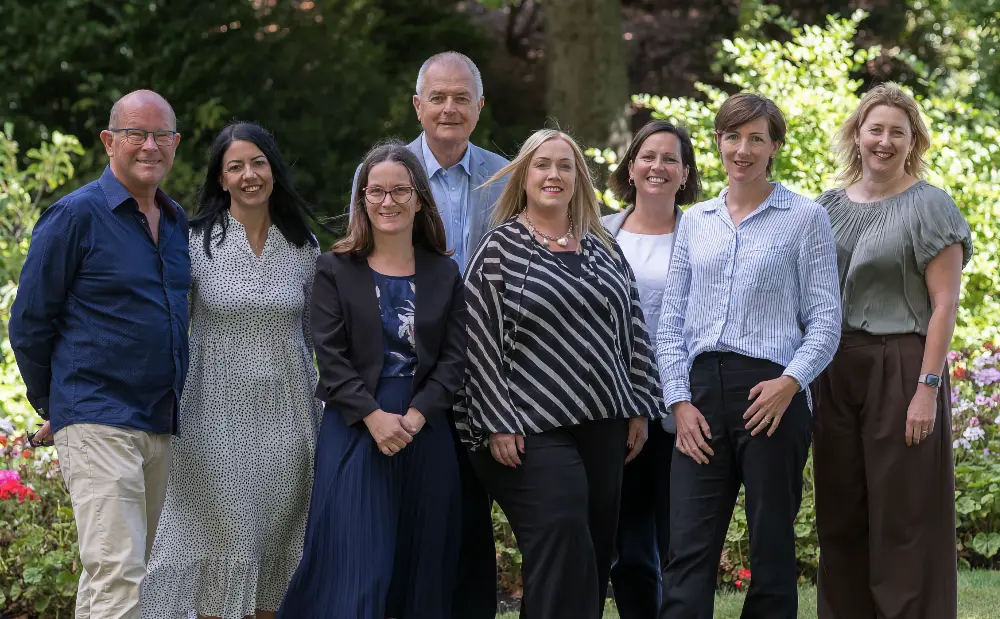
Castle Trust Team

Your better financial future starts here

Your better financial future starts with a conversation with one of our financial experts. We offer 20 minutes free consultations to help give you peace of mind that we can help you where you need it most.
Book now

© 2026 Castle Trust Financial planning. All Rights Reserved. Disclosure information. Privacy Statement.

crosschevron-down
linkedin facebook pinterest youtube rss twitter instagram facebook-blank rss-blank linkedin-blank pinterest youtube twitter instagram